白夜行
马德兴谈中超球迷观赛风波:赛区需加强管理工作承担起相关责任_我的网站

A | 8月26日讯 近期,围绕中超观战的球迷以及裁判争议风波不断,各种突破底线的情况不少,而中国足协以及中足联也连续开出了罚单。马德兴撰文认为,单就球迷近期所发生的情况来看,恐怕不只是俱乐部方面,更重要的还是赛区方面需要承担起相关的责任来。

B | 中国国内赛场的管理体系与国外存在着很大的不同,国外的球迷基本都是由俱乐部负责,赛事组织也全部是由俱乐部来负责。所以,我们经常可以看到,不管是欧洲杯、欧洲俱乐部赛事或是亚洲杯、亚冠赛事,一旦在比赛中出现球迷违纪、违规的情况,欧足联、亚足联下发罚单时都是直接给到俱乐部,由俱乐部来承担全部责任。但是,中国国内赛事的主办与之最大的差异在于:不管是中超还是中甲,抑或中乙,各级联赛除了俱乐部之外,还有一个“赛区组委会”,这是中国的管理机制所决定的。

C |
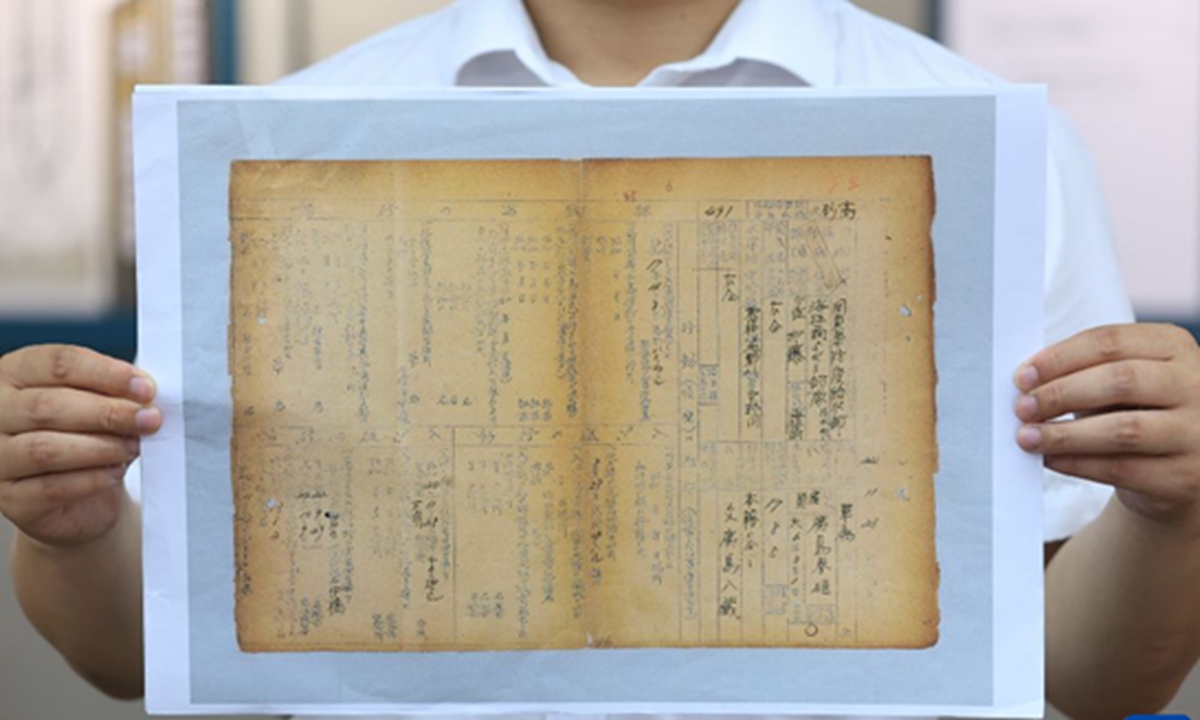
Newly released wartime records from the Hailar branch of Japan's notorious Unit 731. Photo: Xinhua
Newly released wartime records from the Hailar branch of Japan's notorious Unit 731 reveal how the Japanese military disguised biological warfare personnel as conventional infantry troops to conceal secret operations, including human experimentation.
The Exhibition Hall of Evidences of Crime Committed by Unit 731 of the Japanese Imperial Army released on Wednesday a 185-page archive of "personal background declaration" from the Hailar branch of Unit 731, also known as "Manchuria Unit 543". The documents show that the Japanese military concealed its biological warfare operations under the guise of conventional infantry units and shed new light on the Soviet Union's continued efforts after World War II to investigate and prosecute Japanese biological warfare crimes.
Unit 731 was a top-secret biological and chemical warfare research base established as the nerve center for Japanese biological warfare in China and Southeast Asia during WWII. At least 3,000 people were used in human experiments conducted by Unit 731, and more than 300,000 people in China were killed by Japan's biological weapons, according to the Xinhua News Agency.
The Japanese Kwantung Army established five branches of Unit 731 in Northeast China - in Hailar, Sunwu, Mudanjiang, Linkou and Dalian. Located in the northeastern part of the Inner Mongolia Autonomous Region, near China's borders with Mongolia and the Soviet Union, the Hailar branch served as a frontline base of the Japanese imperialist army for potential biological warfare operations against the Soviet Union.
The newly released 185-page archive contains key information on 156 members of the Hailar branch of Unit 731, including their names, military ranks, dates of enlistment, duties, transfers and postwar whereabouts. Researchers said the documents constitute first-hand official records for studying the branch's personnel structure and operations.
Jin Shicheng, a researcher at the Exhibition Hall, said the study produced two major findings. First, the documents reveal that the Japanese military recruited personnel under the cover of ordinary infantry units to conceal biological warfare activities. Some personnel, for example, were recruited under the names of conventional units such as Manchuria Unit 97, Unit 177 and Unit 201. They were then sent to Unit 731 headquarters for three months of training before being assigned to the Hailar branch. The deceptive recruitment system was intended to conceal the crimes committed by Unit 731, including human experimentation.
Moreover, the archive provides evidence of continued postwar investigations into Japanese biological warfare crimes. Of the 156 personnel listed in the documents, 145 were captured by Soviet forces after the war and detained in the Soviet Union. Four were tried in Khabarovsk between April and September 1950. The researcher said the records show that Soviet investigations and judicial efforts concerning Japanese biological warfare crimes continued after the trial held in 1949.
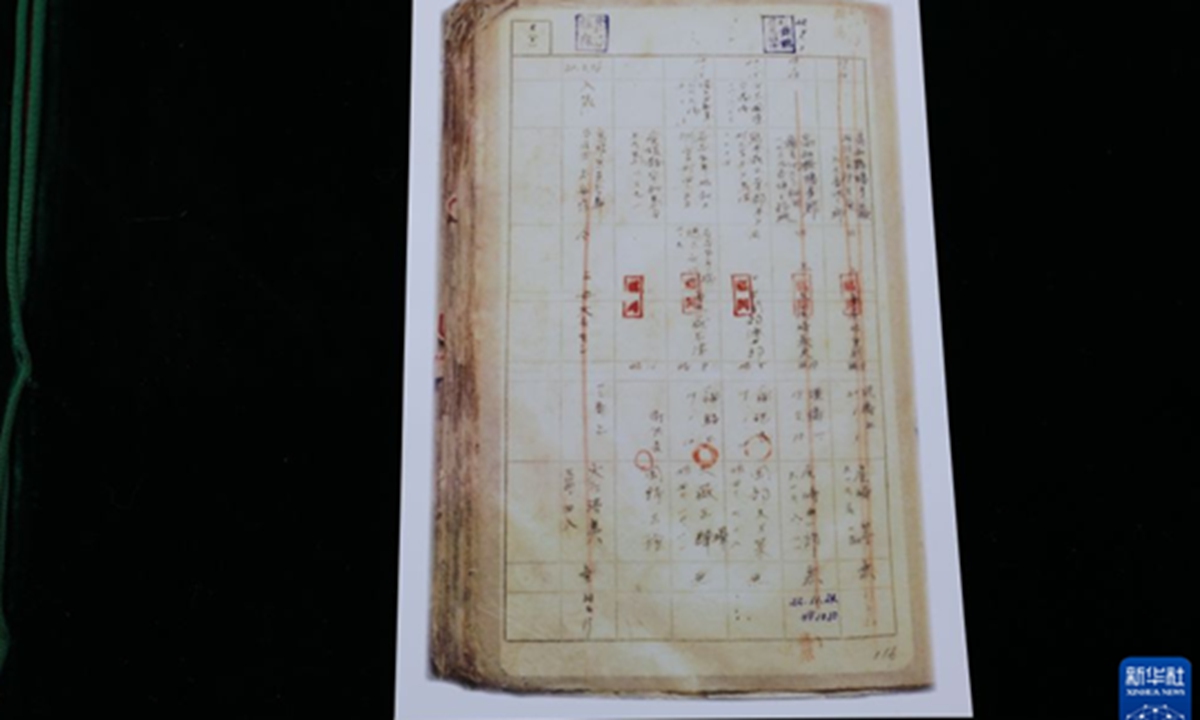
A photo published by Xinhua showed a record on medic Tanizaki Hitoshi in the "personal background declaration" records of Unit 731's Hailar branch. Photo: Xinhua
A photo published by Xinhua showed a record on medic Tanizaki Hitoshi in the "personal background declaration" records of Unit 731's Hailar branch. Tanizaki, originally named Ozaki Hitoshi, is documented in historical records that, together with his oral testimony, form a chain of evidence further substantiating the crimes committed by Unit 731.
Experts said the new revelation of the Hailar branch deepens research into Unit 731 and, together with previously obtained oral testimony from former members, form a broader chain of evidence. The official records exposed the efforts by the Japanese military to disguise their crimes against humanity and provided further evidence of the state-organized system behind Japan's biological warfare program, while adding important material to research on Unit 731 and postwar prosecutions.
Global Times
。换而言之,各级职业联赛赛场除了主队所属俱乐部需要承担起相关责任之外,赛区更需要承担责任。而且,各个地方的赛区组委会负责人都是由当地负责文体的政府领导人担任,因为只有这样级别的人担任负责人,才有可能协调相关的安保、公安等力量,以协助赛事的正常进行,而俱乐部这个层面是完全无法处理此类事务的。在这种情况下,职业足球比赛属于大型群众性活动,当地政府负有法定的安全保障义务和责任,球迷进场观看比赛,出现违纪违规的行为,恐怕就应该承担起相应的责任来。譬如,像北京国安的球迷穿不雅衣服,那么,在入场安检时,缘何未能及时尽早发现?这些衣服是如何带进球场的?再譬如在武汉,客队球迷散场时出现了意外情况,但按照相关规定,主队球迷和客队球迷正常情况下是不可能发生接触的,不管赛前还是赛后。如果发生了接触情况,肯定是相关工作被忽略了。所以,为避免类似的情况再度发生,恐怕各个赛区需要进一步加强管理工作。而且,相关的安保人员在场内也需要承担起相应的职责,真正履行安保工作,而不是只有人到、心思却完全不在球场的安保工作本身上。人是到位了,但眼睛更多地盯着自己手里的手机,对观众席或其他地方的球迷视而不见,这显然给部分极端的球迷或到场的人士制造事端提供了空隙。

D | 从这个角度来说,如何更好地完善赛区的安保工作?这一课亟待补上。

E |
Current article:http://iu1.diuhuairandaikaomangshangnen.buzz/ttdm/pxiqlku.html
Published on:15:42:54


